
Getting Your Garage Door Ready for Winter: The Short Version
In Mayo, FL, winterizing a garage door mostly means two things: fixing whatever the summer's heat, humidity, and storms did to it, and prepping the hardware for the cooler, drier air and occasional cold snaps that follow. That means inspecting for rust and swelling, lubricating moving parts before they stiffen up, checking weatherstripping and seals, and testing the opener's safety features. None of it takes long, but skipping it tends to show up as a stuck door or a snapped spring on the first genuinely cold morning.
Check for What Storm Season Left Behind
By October, your garage door has spent months dealing with afternoon downpours, high humidity, and whatever tropical systems rolled through under this year's wind-load conditions. Before you think about winter, walk the door and look for:
- Rust spots on hinges, tracks, and the bottom of steel panels, especially if water pooled near the door during heavy rain.
- Swelling or warping on wood or composite doors — humidity causes panels to expand, and a door that's been dragging on the track all summer needs adjustment now, not after it gets worse.
- Loose or bent track sections from wind pressure during storms, even if the door still looks like it's closing fine.
- Faded or cracked weatherstripping along the bottom seal and sides, which UV and moisture both break down over a season.
Catching these now matters because cooler, drier winter air can make small problems worse — wood that swelled all summer often starts shrinking and cracking once humidity drops, and rust that's already started will keep spreading regardless of season.
Lubricate Before the First Cold Snap
Hinges, rollers, springs, and the opener's chain or screw drive all run smoother with a fresh coat of garage-door-specific lubricant (not WD-40, which is a cleaner, not a long-term lubricant). Do this in October or November, before temperatures drop and humidity swings start affecting how metal parts move. A door that's been sluggish and noisy all summer from dust, pollen, and moisture buildup usually gets noticeably quieter after a proper lubrication pass.
What to Lubricate
- Hinges and roller stems (not the rollers themselves if they're nylon)
- The torsion or extension springs
- The opener's drive mechanism, per the manufacturer's instructions
- Lock mechanisms, if your door has a manual lock
Weatherstripping and Seals
North Florida winters bring cooler mornings and occasional cold snaps, and a worn bottom seal lets in drafts, moisture, and small critters looking for a warm, dry garage. Check the rubber seal along the bottom of the door and the vinyl stripping along the sides and top. If it's cracked, flattened, or pulling away from the track, replace it before cold weather sets in — it's a simple fix that keeps the garage noticeably more comfortable and protects anything stored near the door from moisture swings.
Hardware: Springs, Cables, and Rollers
Springs and cables take a beating from heat and humidity cycling all summer, and a spring that's been quietly weakening often fails without much warning — usually as a sudden loud bang and a door that won't open or closes unevenly. Look for:
- Visible gaps or stretching in the torsion spring coils
- Fraying or rust on the lift cables
- Rollers that look worn, cracked, or are sticking in the track
These are also the parts most likely to fail in cold weather, since metal contracts slightly and stressed components are more likely to give out. If your door has been getting louder, jerkier, or slower to close over the past few months, this is a sign the hardware is already compromised, not just dirty.
Test the Opener and Safety Sensors
Dust and humidity buildup over the summer can affect the photo-eye sensors near the bottom of the track, causing the door to reverse unexpectedly or refuse to close. Wipe the sensor lenses clean and make sure they're aligned. While you're at it, test the auto-reverse function by placing a block of wood in the door's path — it should stop and reverse on contact. If your remote or keypad has gotten sluggish, it may be time to check the opener's battery backup before storm season fully wraps up.
When to Call Mayo Door & Opener
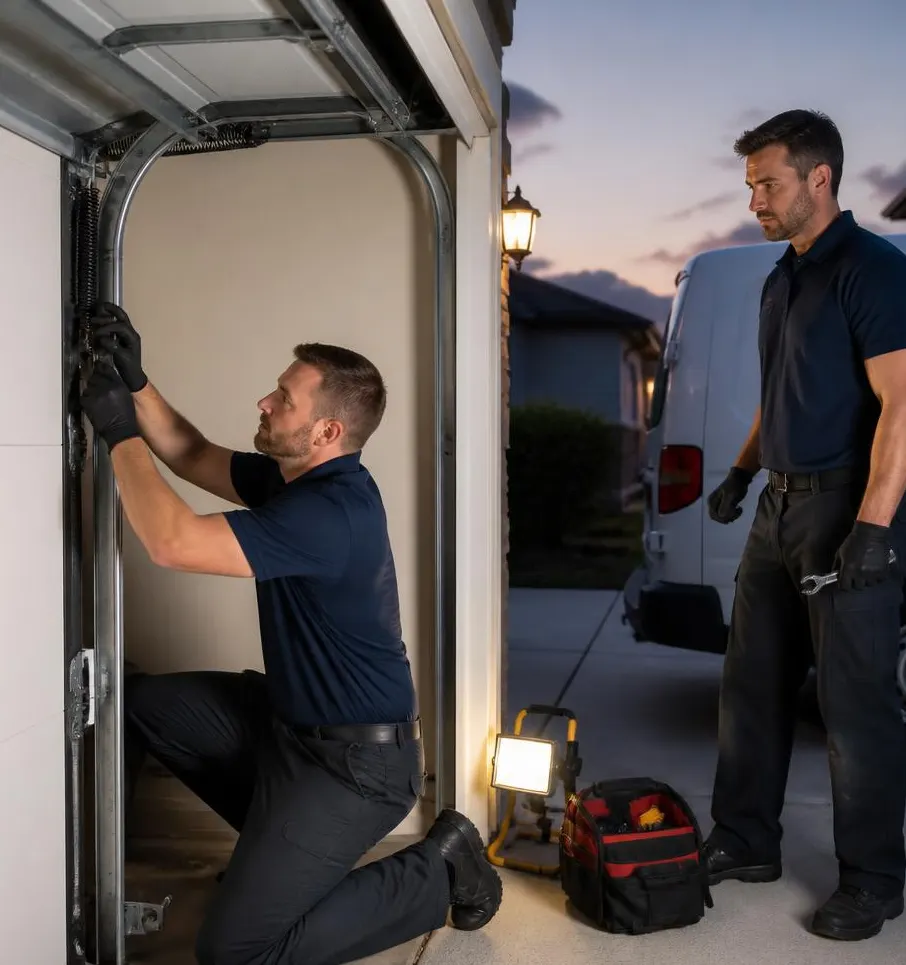
If you're seeing rust that's spread into the springs or tracks, a door that's dragging or off-track, or hardware that looks stressed rather than just dirty, it's worth having a technician look before winter rather than after something fails. Mayo Door & Opener handles Garage Door Spring Repair and Cable & Roller Replacement for homes throughout Mayo, Perry, Live Oak, Cross City, Branford, Trenton, Old Town, and Steinhatchee, and can also take care of full Garage Door Maintenance if it's been a while since the system was serviced.
If your garage door needs attention before the weather turns, call Mayo Door & Opener — serving Mayo, FL and all of Lafayette County.